As a real estate expert, I understand how challenging it can be to compare real estate metrics from one year to another, especially in a normal housing market. The variability and unpredictable events can make such comparisons less meaningful or accurate. Today, I want to shed some light on the current market situation and explain why comparing it to the extraordinary 'unicorn' years is almost worthless.
The 'Unicorn' Years:
Before we dive into the present, let's take a moment to reflect on the 'unicorn' years. These were the years when the real estate market experienced an unprecedented shift due to the pandemic. Suddenly, the demand for owning a home skyrocketed as people sought properties with home offices and spacious backyards. Factors such as historically low mortgage rates and the forbearance plan further shaped this extraordinary market. Home values reached unprecedented appreciation levels, making those years truly "greatly desired but difficult or impossible to find."
Returning to Normal:
Now, the market is gradually returning to normal, and the 'unicorns' have galloped off. However, comparing today's market to those exceptional years doesn't make sense. Allow me to provide you with three key examples that illustrate this point.
Buyer Demand:
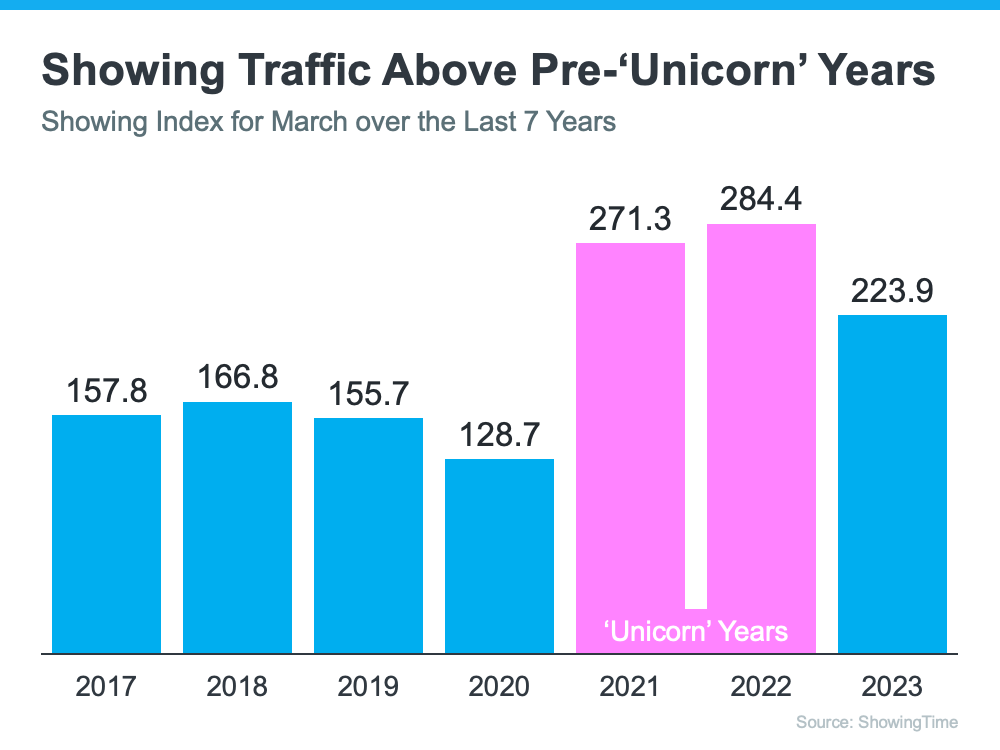
1. While some headlines may suggest a lack of buyers, the truth is that we still sell over 10,000 houses a day in the United States. Although buyer demand is lower compared to the 'unicorn' years, it remains robust when compared to normal years (2017-2019). Take a look at the graph below, based on ShowingTime data:
Home Prices:
2. The astronomical home price increases witnessed during the 'unicorn' years cannot be compared to today's trends. According to Freddie Mac, we are returning to more normal appreciation levels. In fact, there were several months of minimal depreciation in the latter half of 2022. Fannie Mae confirms that the market has resumed more normal appreciation in the first quarter of this year. Let's examine the following graph, which compares home price increases during the 'unicorn' years to the presen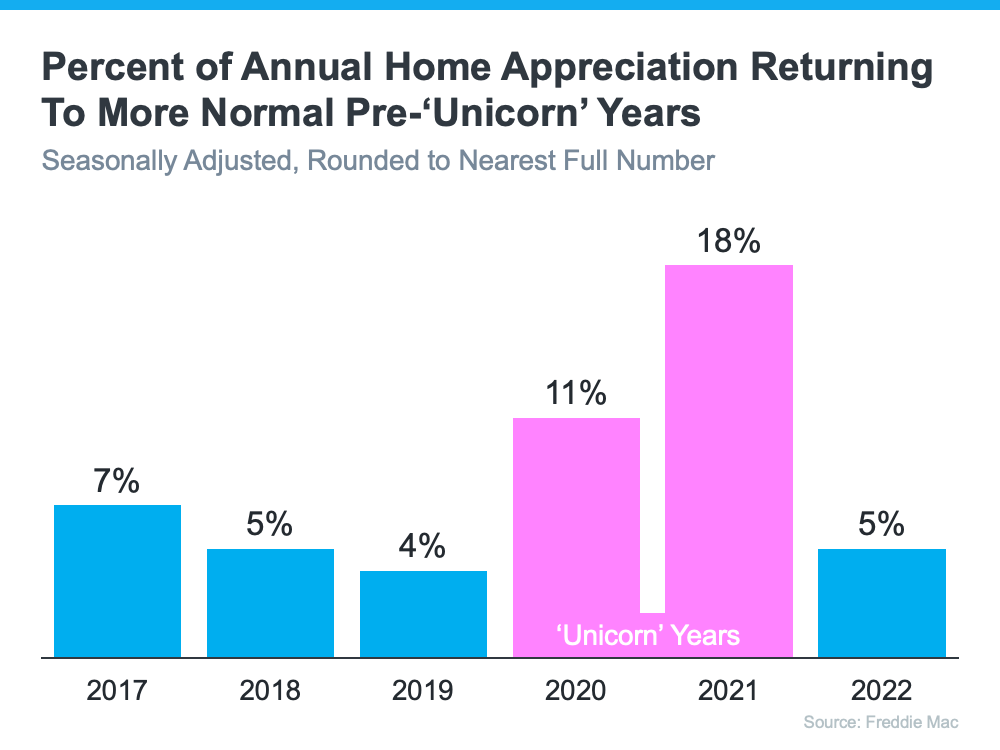 Foreclosures:
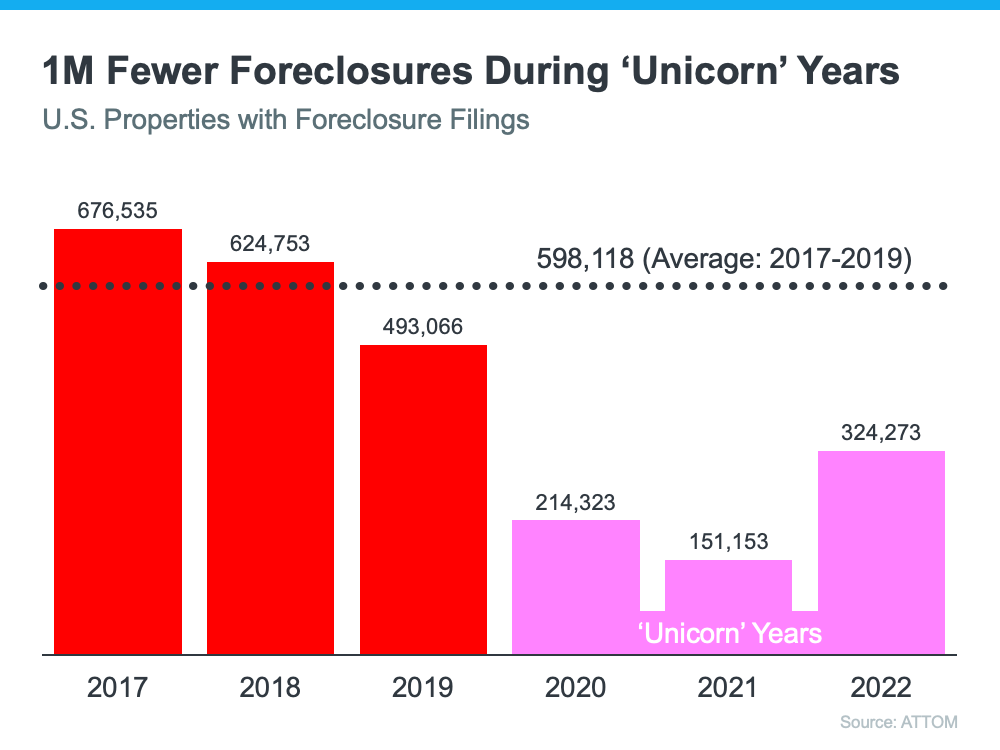
3. Headlines regarding foreclosure filings may raise alarms, but we need to put these numbers into perspective. The reported percentage increases are in comparison to historically low foreclosure rates. As the moratorium on foreclosures has ended, it is expected that there will be an increase in foreclosure filings. However, we are actually returning to the normal filings observed between 2017-2019. Take a look at the informative graph below, based on data from ATTOM, a property data provider:
Keeping Things in Perspective:
It's essential to understand that the unsettling headlines about the housing market this year often stem from inappropriate comparisons to the 'unicorn' years. To navigate the market effectively, it's crucial to have an expert on your side who can help you keep everything in proper perspective. As a real estate professional, I am here to provide you with the guidance and expertise you need to make informed decisions.
Conclusion:
In conclusion, comparing today's real estate market to the 'unicorn' years is not a valid approach. As we return to more normal conditions, buyer demand remains strong, home prices stabilize, and foreclosure rates return to their historical levels. By understanding these factors, you can approach the housing market with clarity and confidence. Reach out to me, Trenton, your trusted real estate expert, so we can navigate the market together and find your perfect home.
:format(webp):quality(80)/u.realgeeks.media/neahomesearch/team_sidebar.jpg)
:format(webp):quality(80)/u.realgeeks.media/contentcodes2/arrow.png)
:format(webp):quality(80)/u.realgeeks.media/neahomesearch/Market-Report-3.png)