Preparing Your Jonesboro Home for the Buyer's Inspection
What should Jonesboro sellers do before the buyer's home inspection?
Clear access to every major system, handle small fixes you already know about, and gather receipts for recent work. In Jonesboro, expect the inspection inside the first 10 business days after going under contract.
You signed the contract. The inspector is on the calendar. For most Jonesboro sellers, the next two weeks are the most important stretch of the entire deal, and the home inspection is the one piece of it you actually have control over.
A clean inspection rarely re-trades the deal. A messy inspection almost always does. NEA Realtor Group has walked hundreds of Jonesboro and Northeast Arkansas sellers through this exact moment, and the pattern is consistent: the sellers who prepare get smaller repair requests, fewer surprises, and less drag on closing. Our home selling toolkit covers the bigger picture, but this post zooms in on inspection week.
This guide walks you through the Arkansas inspection timeline, what the inspector is actually checking, how to prep your home before they arrive, the issues we see most often in Northeast Arkansas, and what happens after the report lands.
The Arkansas Inspection Timeline
In Arkansas, the standard residential contract gives the buyer a set inspection window that almost always lands inside the first 10 business days after going under contract. The buyer schedules and pays for the inspection. They pick the inspector. You give access.
A few things sellers in Jonesboro consistently get wrong:
- They assume the inspection is the final word. It is not. It is the start of a negotiation.
- They expect the inspector to flag only "real" problems. Inspectors flag everything they see.
- They wait until the inspector calls to think about prep. By then it is too late.
Treat the inspection like a graded test where you already know the questions. A little prep moves the score from "rough" to "clean," and that single change reshapes the rest of the transaction.
What the Inspector Will Actually Check
Most home inspectors in Northeast Arkansas follow a standard scope of work consistent with the American Society of Home Inspectors standards of practice or InterNACHI standards. They look at the visible, accessible condition of major systems and components. They do not open walls.
Expect the inspector to spend two to three hours on a typical Jonesboro single-family home, and longer on bigger or older homes. Here is what is on their list.
Exterior
- Roof condition, age, and obvious damage (visible from a ladder or drone)
- Gutters, downspouts, and discharge points
- Grading and drainage around the foundation
- Siding, trim, paint, and caulking
- Driveway, walkways, and exterior steps
- Decks, porches, and railings
Foundation and structure
- Visible foundation walls (cracking, settlement, water staining)
- Crawlspace conditions, if applicable
- Attic structure, ventilation, and insulation
- Visible framing where accessible
Mechanical and electrical
- HVAC age, condition, and operation (cooling and heating cycles)
- Water heater (age, type, T&P valve)
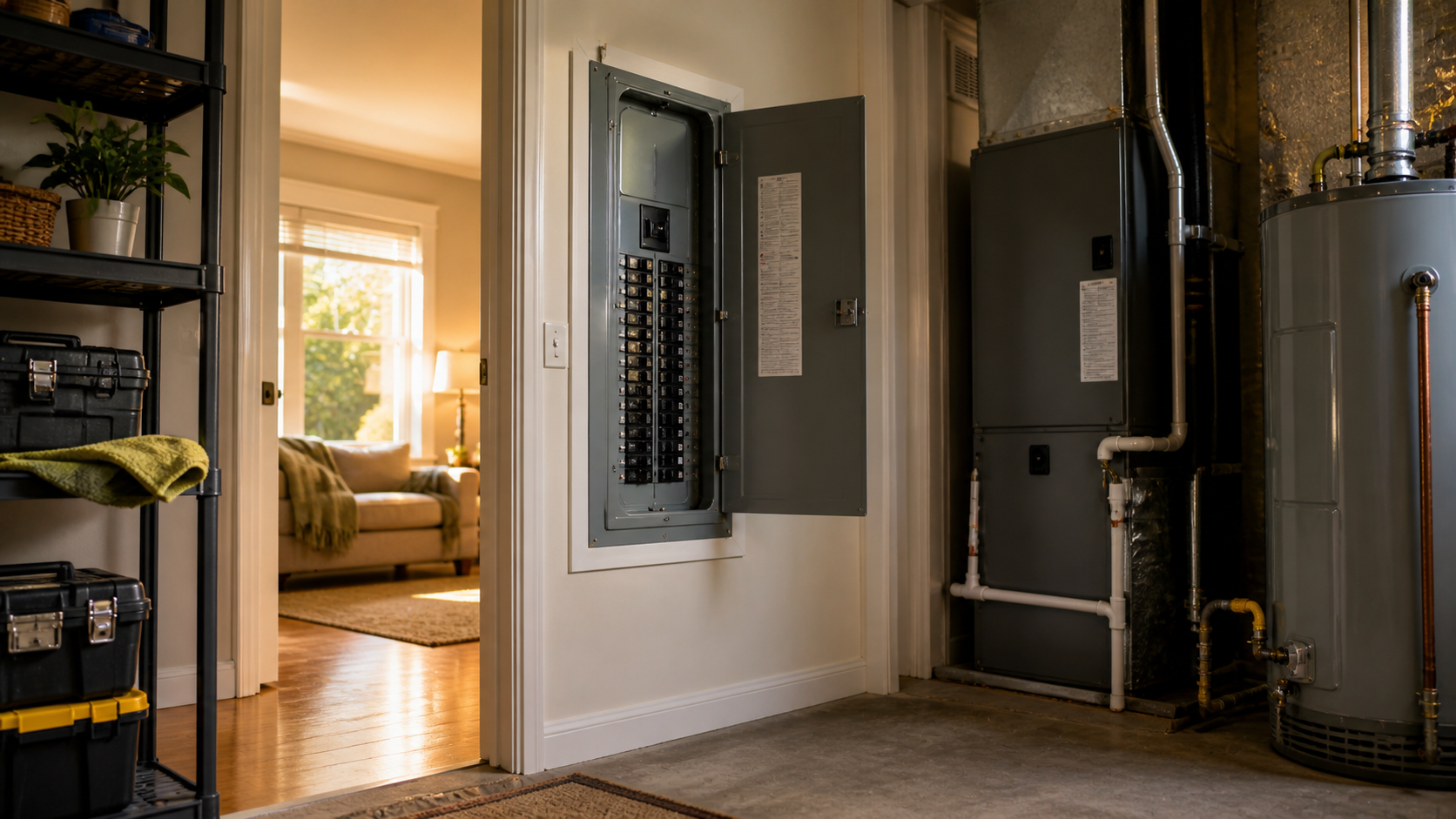
- Electrical panel (brand, capacity, double-tapped breakers, GFCI/AFCI protection)
- Visible plumbing (leaks under sinks, water pressure, drainage)
- Major appliances if they convey with the home
Interior and safety
- Doors and windows operate
- Walls, ceilings, and floors
- Smoke and carbon monoxide detectors
- Bath and kitchen fixtures
- GFCI protection in wet areas
- Egress windows in bedrooms
- Handrails on stairs of four risers or more
Inspectors do not give pass or fail grades. They write findings. Buyers and their agents read those findings and decide how aggressively to respond. Your job is to keep the findings list short.
How to Prep Your Jonesboro Home Before the Inspector Arrives
This is where most sellers leave money on the table. The fixes here cost almost nothing and can cut your repair request in half.
Access first, always
The fastest way to get a bad report is to make the inspector's job harder. Clear paths to:
- The electrical panel (move boxes, shelves, anything within 36 inches)
- The water heater
- The HVAC air handler and outdoor condenser
- Attic access (pull-down stairs or hatch, with the closet floor cleared)
- Crawlspace access (move the rug, the shoes, the storage tubs)
- Under sinks (move the cleaning supplies)
If the inspector cannot reach a system, they will note it as "limited access" or "unable to evaluate," and the buyer almost always reads that line as a red flag.
The 30-minute walkthrough fixes
The night before the inspection, walk your home with this list:
- Replace every burned-out bulb (a dead bulb in a fixture often gets written up as "fixture inoperable")
- Test all smoke detectors and replace any that do not beep
- Replace the HVAC filter if it is older than 60 days
- Tighten loose toilet seats, cabinet pulls, and door handles
- Test every faucet for slow drains and visible leaks
- Re-caulk obvious gaps around tubs, showers, and exterior trim
- Make sure every door latches and locks
- Trim shrubs back from siding and the AC condenser
- Remove anything stored against the foundation
Have utilities on, all of them
If your home is vacant, do not turn off the gas or electric the week before inspection. Inspectors cannot test what they cannot turn on, and they will write up "system not evaluated" for every untested item, which is worse than a small finding.
Pull your records
Receipts shorten arguments. Pull together:
- HVAC service records and any system replacement dates
- Roof installation or repair invoices
- Water heater install date
- Termite contract and most recent treatment
- Any major repair done in the last five years
If the inspector flags an item and you can hand over a recent service record, the buyer's repair request usually softens.
Plan for pets
Take your dog with you. Crate the cat in a single bathroom with a clear "do not enter" note on the door. Inspectors should not be opening cages, stepping over dogs, or chasing a cat out of the attic hatch.
Common Northeast Arkansas Inspection Findings
Every market has its own pattern. In Jonesboro, Brookland, Paragould, and the surrounding NEA towns, these are the issues we see written up most often.
HVAC age and capacity. Northeast Arkansas summers are humid and long. HVAC systems take a beating. If your unit is 12 or more years old, expect the inspector to flag it as "near end of expected service life," even if it still cools well. That language alone can spook a buyer. A recent service record helps.
Crawlspace moisture and vapor barriers. Many older Jonesboro homes have crawlspaces. Standing water, missing vapor barriers, and visible rust on supports are all common findings. A vapor barrier costs a few hundred dollars installed and can quietly kill an inspection report when missing.
Foundation hairline cracks. NEA sits on a mix of clay and silt soils. Hairline cracks in slab or perimeter foundations are normal. Active, widening, or stair-step cracks are not. If you have any doubt, get a structural engineer's letter before listing. A letter often turns a "structural concern" finding into a paragraph the buyer scrolls past.
Roof age and storm damage. NEA gets hail. If your roof is 15 or more years old, or if a major hailstorm rolled through in the last few years, the inspector will note it. A roofer's letter or a recent insurance inspection report can set the buyer at ease.
Termite activity and prior treatment. Arkansas is a high-termite-pressure zone. Buyers and lenders often want a current termite letter (sometimes called a wood-destroying-organism report). Knowing the status of your termite contract before listing prevents a surprise the week of closing.
Outdated electrical. Federal Pacific Stab-Lok panels, knob-and-tube wiring, and double-tapped breakers all show up in older Jonesboro homes. None are automatic deal-breakers, but each one becomes a line item.
Fix It, Disclose It, or Negotiate It
Once you know what is likely to come up, you have three options for each item.
Fix it now. Best for cheap, cosmetic, or safety items where the cost to you is small and the deterrent to the buyer is large. Burned-out bulbs, missing GFCIs, dead smoke detectors, leaky faucets, broken window seals, and minor caulking should be done before you list, not after the inspection.
Disclose it and price for it. If you know about a bigger issue (older HVAC, prior foundation repair, history of a leak), the Arkansas seller property disclosure is the place to put it. A disclosed issue is a known issue, and known issues are easier to negotiate than discovered ones. Realtor.com's home inspection overview walks through the buyer's side of the same conversation.
Leave it for negotiation. Some items are not worth fixing yourself. A complete HVAC replacement, a full re-roof, or a sewer line replacement is usually better handled as a credit at closing or a renegotiated price, because you do not get to pick the contractor or the timeline.
A pre-listing inspection (also called a seller's inspection) is worth considering on homes that are 20 or more years old or have known issues. You pay for the inspection upfront, you decide what to fix, and you go on the market with a cleaner story. It does not replace the buyer's inspection, but it shrinks the surprise factor.
In the current Jonesboro market, where homes are sitting closer to 75 to 90 days on the market and buyers are pickier than they were two years ago, a clean inspection report can be the difference between closing on time and re-negotiating in week three. The wider transaction arc, from accepted offer through closing, is broken down in our post on what happens after you accept an offer in Jonesboro.
After the Report: What Happens Next
Once the inspection is done, the buyer's agent typically sends a written response within a few days. That response usually falls into one of three buckets:
- A formal repair request listing specific items the buyer wants fixed before closing
- A request for a credit at closing in lieu of repairs
- An "as-is" acceptance with no repair request (rare, but it happens, especially on newer homes)
How you respond shapes the rest of the deal. We covered the seller side of that conversation in detail in our post on how Jonesboro sellers should handle repair requests, including which items are worth fighting and which are worth conceding.
The clearest signal we can give you: respond fast and respond in writing. Silence between the inspection and your response is when buyers get cold feet.
Frequently Asked Questions
Q: How long does a home inspection take in Jonesboro?
Two to three hours for a typical single-family home, and longer for larger or older homes. Plan to be out of the house for the full window plus a buffer. The buyer and their agent often join the inspection for the last 30 to 45 minutes to walk through the findings live with the inspector.
Q: Do I need to be home during the inspection?
No, and you usually should not be. The buyer and their agent want to talk freely with the inspector, and your presence makes that uncomfortable. Leave the home unlocked for the inspector or arrange supra access through your listing agent, take the pets with you, and check in by phone if needed.
Q: Can the buyer back out after the inspection?
Yes. The standard Arkansas residential contract gives the buyer the right to terminate inside the inspection window, even for cosmetic reasons, as long as they follow the contract's notice rules. That is exactly why the prep work in this guide matters. The smaller the surprises, the smaller the chance of a walkaway.
Get a Second Set of Eyes Before the Inspector Arrives
Trenton Hoggard, Tim Ray, and the NEA Realtor Group team have walked hundreds of Jonesboro and Northeast Arkansas sellers through inspection week, and we know the local issues that move repair requests up and down. With dozens of 5-star reviews from buyers and sellers across the region and our standing as the #1 real estate team in the Northeast Arkansas MLS by production, we know what a clean Jonesboro inspection looks like. If you are about to list, or already under contract and want a second set of eyes on your prep list, call or text us at 870-273-0633.
Connect with NEA Realtor Group
:format(webp):quality(80)/u.realgeeks.media/neahomesearch/team_sidebar.jpg)
:format(webp):quality(80)/u.realgeeks.media/contentcodes2/arrow.png)
:format(webp):quality(80)/u.realgeeks.media/neahomesearch/Market-Report-3.png)